Common Causes of Wastewater Treatment Plant Odors and How to Control Them
6/1/2026
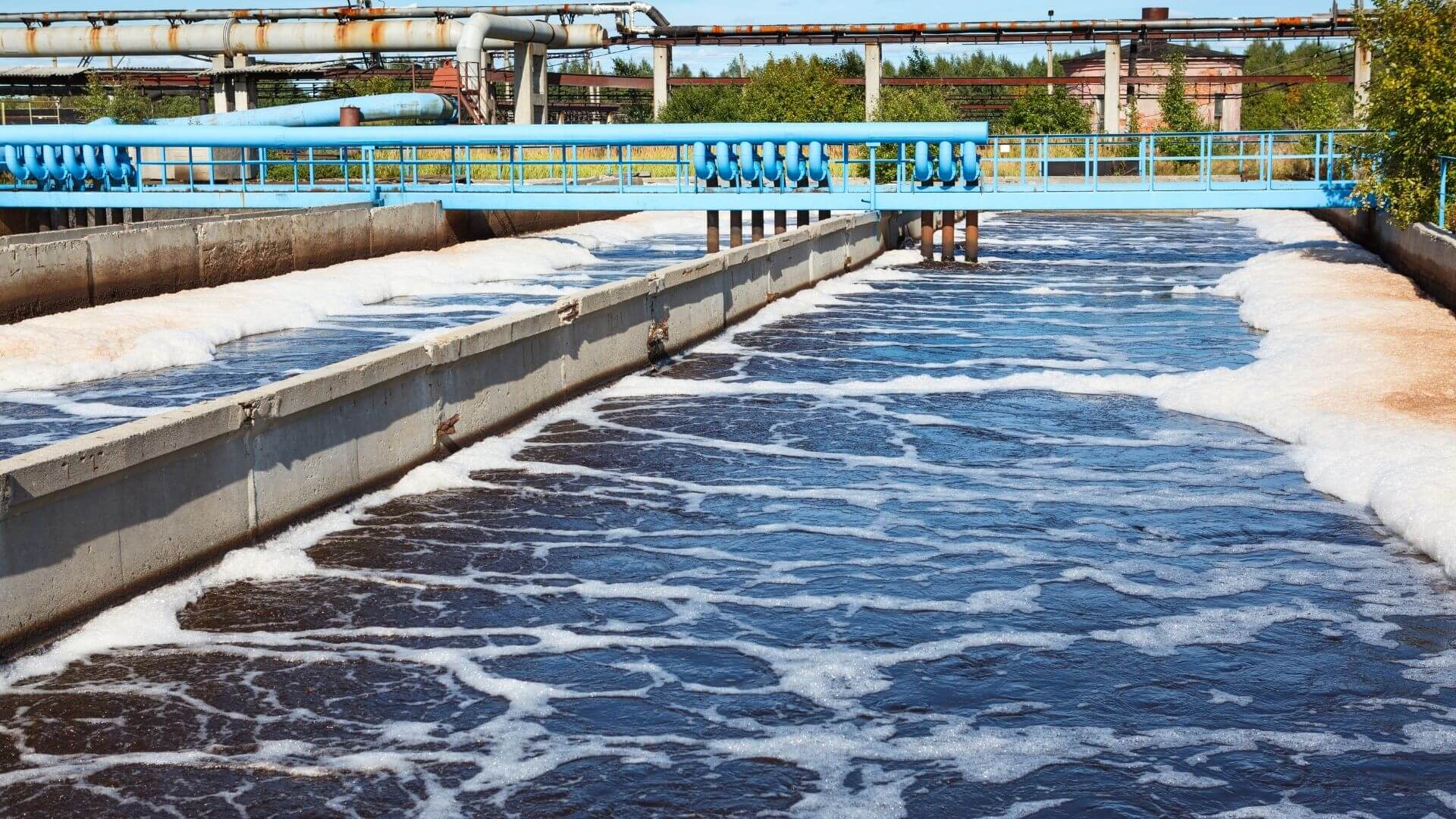
Wastewater treatment facilities play a vital role in protecting public health and the environment. But when persistent odors arise, they can quickly lead to public complaints, regulatory scrutiny, and operational challenges. Understanding the root causes — and choosing the right chemical solutions — is essential for effective odor management.
For facilities seeking chemical product distribution in California, Affect Industries provides specialty wastewater treatment products that help control odors, improve efficiency, and maintain compliance.
Why Do Wastewater Treatment Plants Smell?
Odors in wastewater systems are typically caused by the breakdown of organic matter in low-oxygen (anaerobic) conditions. When bacteria decompose waste without sufficient oxygen, they produce foul-smelling gases such as:
- Hydrogen sulfide (H₂S)
- Ammonia
- Volatile organic compounds (VOCs)
- Mercaptans
Among these, hydrogen sulfide is the most common and problematic. It produces a “rotten egg” smell and can also contribute to infrastructure corrosion and safety hazards.
Common Causes of Wastewater Treatment Plant Odors
1. Anaerobic Conditions in Collection Systems
Long retention times in sewer lines or lift stations often lead to oxygen depletion. When wastewater sits too long, sulfate-reducing bacteria generate hydrogen sulfide.
This is particularly common in:
- Warm climates
- Systems with low flow rates
- Aging infrastructure
Proper chemical treatment can help neutralize sulfides before they become airborne.
2. FOG (Fats, Oils, and Grease) Buildup
FOG accumulation in collection systems restricts flow and creates anaerobic pockets. As grease decomposes, it releases strong odors and contributes to blockages.
This is why many municipalities enforce FOG compliance programs. Facilities can learn more about compliance strategies in Understanding FOG (Fats, Oils, and Grease) Compliance for Commercial Kitchens, available through the blog.
3. Sludge Handling and Dewatering
Sludge thickening, storage, and dewatering processes often release concentrated odors due to high organic content. Poorly managed sludge can become septic, intensifying smell and operational risks.
Chemical oxidation and odor-neutralizing agents are commonly used to address these issues.
4. Lift Station and Wet Well Issues
Lift stations are frequent odor hotspots due to stagnant wastewater and temperature fluctuations.
If left untreated, odors can travel into surrounding neighborhoods. For proactive strategies, see:
How to Prevent Lift Station Odors Before They Become Public Complaints
How Do You Control Odors in a Wastewater Treatment Plant?
This is one of the most common operational questions municipalities ask.
Effective odor control typically involves a combination of:
- Chemical oxidation (e.g., nitrate-based or iron salts)
- pH adjustment
- Biological treatments
- Air scrubbing systems
- Preventative maintenance
The right approach depends on system design, flow rates, and wastewater composition.
Affect Industries supplies specialized wastewater treatment products that help facilities neutralize odors at the source rather than masking them after release.
What Chemical Is Used for Odor Control in Wastewater?
Another common question facility managers ask is which chemicals are most effective.
Some of the most widely used odor control solutions include:
- Iron salts (to bind sulfides)
- Nitrate compounds (to prevent sulfate reduction)
- Hydrogen peroxide
- Chlorine dioxide
- Bio-augmentation products
Selecting the appropriate product requires understanding the chemistry of the system. Partnering with an experienced chemical product distributor ensures you receive the right formulation for your specific conditions.
Through comprehensive chemical product distribution, Affect Industries supports wastewater facilities throughout California with reliable supply and technical insight.
How Can Wastewater Odors Be Reduced Without Major Infrastructure Changes?
Facilities often assume major capital improvements are required. In reality, many odor problems can be mitigated through:
- Targeted chemical dosing programs
- Flow management improvements
- Routine system monitoring
- Preventative maintenance schedules
Water quality surveillance plays a critical role in early detection. Explore available solutions through water surveillance services that help identify odor risks before they escalate.
Pro Tip: Early sulfide detection is one of the most cost-effective odor prevention strategies. Implementing consistent monitoring allows operators to treat conditions proactively rather than responding to complaints.
Biological vs. Chemical Odor Control Methods
Both biological and chemical treatments have advantages:
| Method | Benefits | Considerations |
|---|---|---|
| Biological | Sustainable, reduces organic load | Slower response time |
| Chemical | Fast-acting, highly targeted | Requires precise dosing |
For a deeper comparison, read:
Wastewater Odor Control: Biological vs. Chemical Treatment Methods
A well-designed program often combines both strategies for maximum effectiveness.
Why Reliable Chemical Distribution Matters
Odor control programs are only as strong as their supply chain. Delays in chemical delivery can lead to:
- Increased hydrogen sulfide levels
- Corrosion damage
- Community complaints
- Regulatory exposure
Working with a trusted distributor ensures consistent availability of specialty wastewater products, safety supplies, and monitoring tools.
Learn more about Affect Industries’ commitment to specialty chemical distribution on the About Us page or request tailored support through the Contact Us page.
Partnering with a Trusted Chemical Distributor in California
Wastewater treatment plant odors are more than a nuisance — they’re operational and public relations challenges that require science-based solutions. By addressing anaerobic conditions, FOG buildup, sludge handling practices, and lift station management, facilities can dramatically reduce odor incidents.
For dependable chemical product distribution in California, Affect Industries supplies the wastewater treatment solutions facilities rely on to stay compliant, efficient, and community-focused.
We connect specialty products with the customers who need them.