Choosing the Right Heat Transfer Fluid for Your Application
4/1/2025
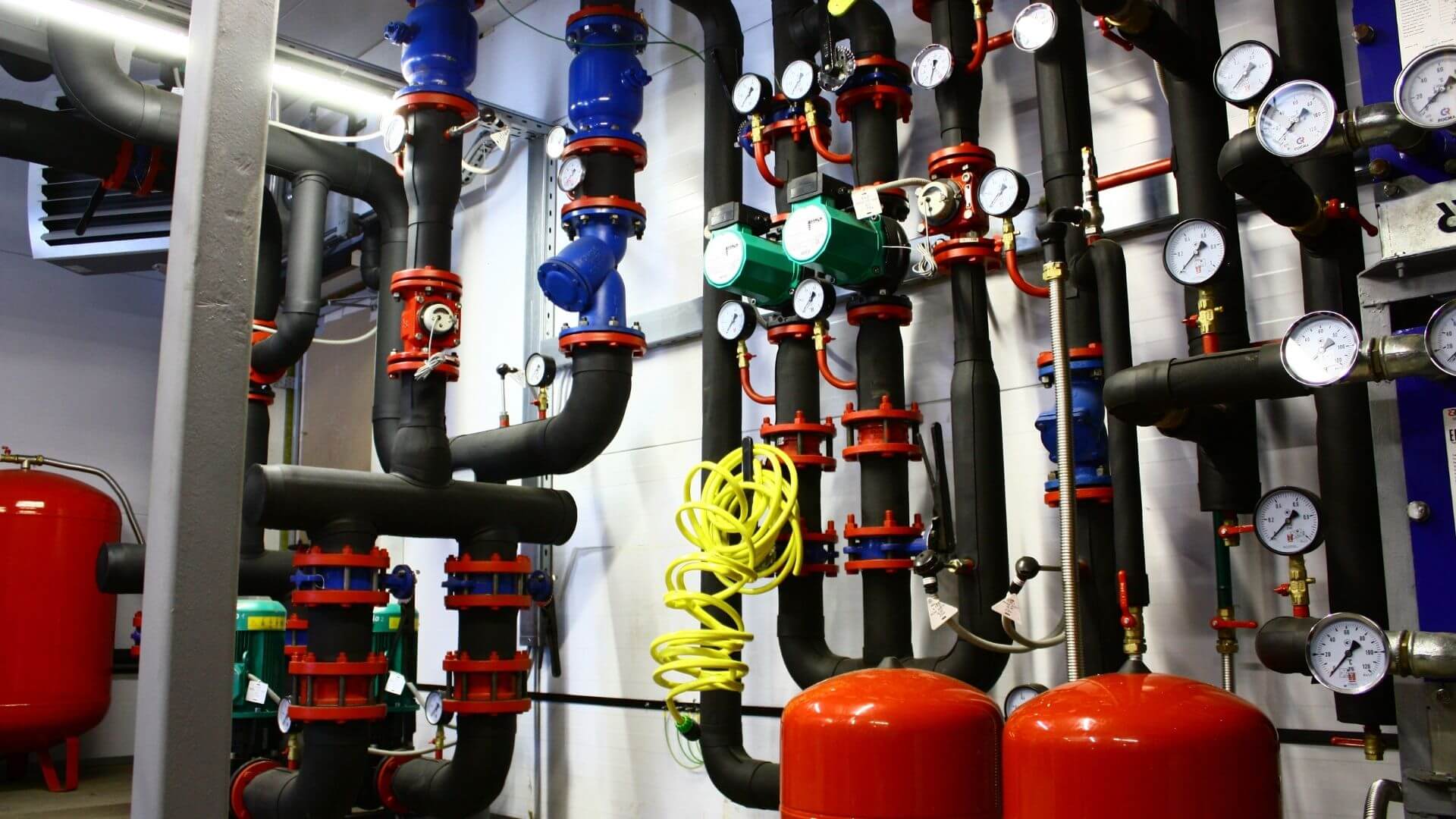
Selecting the correct heat transfer fluid is one of the most important decisions for maintaining efficiency, protecting equipment, and ensuring long-term system reliability. The wrong fluid — or improper concentration — can lead to corrosion, reduced heat transfer, freeze damage, and unexpected downtime.
For facilities seeking dependable chemical product distribution in California, Affect Industries supplies specialty heat transfer fluids designed to match the specific needs of industrial, commercial, and municipal systems.
Why Heat Transfer Fluid Selection Matters
Heat transfer fluids do more than regulate temperature. They help:
- Prevent freezing in cold conditions
- Protect against corrosion
- Improve energy efficiency
- Extend equipment lifespan
- Maintain consistent thermal performance
A common question operators ask is: Can I use any glycol-based fluid in my system?
The answer is no. Fluids must be selected based on system type, temperature range, environmental considerations, and compatibility with materials.
What Types of Heat Transfer Fluids Are Available?
Most closed-loop systems rely on glycol-based fluids, but there are several options available.
1. Propylene Glycol
Propylene glycol is widely used in applications where safety is a priority.
Best suited for:
- Food processing facilities
- Breweries and beverage plants
- Commercial HVAC systems
- Environmentally sensitive areas
It offers lower toxicity compared to ethylene glycol, making it a preferred option in public or regulated environments.
2. Ethylene Glycol
Ethylene glycol is commonly used in heavy industrial systems due to its excellent thermal performance.
Best suited for:
- Manufacturing facilities
- Industrial processing plants
- Systems requiring maximum heat transfer efficiency
Another frequent question is: Is ethylene glycol more efficient than propylene glycol?
Yes, ethylene glycol typically offers better thermal conductivity and lower viscosity at colder temperatures. However, it requires stricter handling due to higher toxicity.
Explore available heat transfer fluids tailored to your application.
Key Factors to Consider When Choosing a Heat Transfer Fluid
Choosing the right fluid involves evaluating several important factors:
Temperature Range
What are your system’s minimum and maximum operating temperatures? Freeze protection requirements vary depending on geographic location and system exposure.
Even in California, facilities in higher elevations or inland regions may experience freezing conditions that require adequate glycol concentration.
System Materials
Ensure the selected fluid is compatible with:
- Piping materials
- Gaskets and seals
- Pumps and heat exchangers
Using inhibited formulations designed specifically for closed-loop systems reduces corrosion risk.
Environmental and Safety Requirements
If your system is located in a food-grade or environmentally sensitive facility, propylene glycol may be the safer choice.
Facilities relying on chemical product distribution in California benefit from working with experienced suppliers who understand regulatory considerations and compliance requirements.
Maintenance and Monitoring
Another common question is: How often should heat transfer fluids be tested?
Best practice includes:
- Annual fluid analysis at minimum
- Freeze point verification
- pH testing
- Corrosion inhibitor evaluation
Over time, glycol can degrade, become diluted, or lose protective inhibitors — reducing both performance and system protection.
Pro Tip: Always use inhibited glycol formulations specifically engineered for HVAC or industrial systems. Automotive antifreeze is not suitable for closed-loop commercial or industrial applications.
Signs You May Need a Different Fluid
If you’re unsure whether your current fluid is appropriate, watch for:
- Reduced heating or cooling efficiency
- Discolored or cloudy fluid
- Corrosion around fittings
- Inconsistent freeze protection levels
- Increased energy consumption
Routine system monitoring helps detect these issues early. Facilities may also benefit from broader oversight using water surveillance solutions to identify performance trends.
The Role of Reliable Chemical Distribution
Even the best heat transfer fluid is ineffective without dependable supply and quality assurance. Seasonal demand spikes can create shortages if planning is delayed.
Through consistent chemical product distribution, Affect Industries supports facilities across California with timely access to high-quality heat transfer fluids and system treatments.
Learn more about the company’s experience on the About Us page or connect directly through the Contact Us page to discuss your application requirements.
Making the Right Choice for Long-Term Performance
Choosing the right heat transfer fluid requires balancing performance, safety, environmental responsibility, and maintenance requirements. Proper selection and routine monitoring help prevent freeze damage, corrosion, and efficiency losses — protecting both equipment and budgets.
For reliable chemical product distribution in California, Affect Industries delivers specialty heat transfer solutions designed to meet the demands of industrial and commercial systems statewide.
We connect specialty products with the customers who need them.